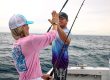


If there is one offshore experience that gets anglers the most fired up, it is tuna fishing.
Powerful runs, nonstop action, and the possibility of multiple hookups at once make tuna one of the most exciting species we target out of Port Canaveral. Whether you are brand new to offshore fishing or a seasoned angler looking to test your strength, tuna deliver an unforgettable fight.
At Sea Leveler, tuna trips are some of our most requested charters, and for good reason. When the bite is on, the energy onboard is unmatched.
Here is what you can expect when you head offshore with us in search of these hard-fighting pelagics.
Why Port Canaveral Is Prime Tuna Territory
Port Canaveral sits along migratory paths that bring several tuna species within reachable offshore range throughout the year.
We commonly target:
- Blackfin tuna
- Yellowfin tuna
- Skipjack tuna
These fish follow bait schools and temperature breaks created by offshore currents. Because productive waters begin just 15 to 30 miles offshore, we can reach tuna grounds efficiently and maximize fishing time.
Water clarity, current edges, and bait activity all play a role. Our captain monitors these conditions daily to position charters where tuna are most likely feeding.
The Trolling Strategy
Most tuna trips begin with trolling.
We deploy a five rod trolling spread using a mix of skirted lures, cedar plugs, and rigged baits. Each lure runs at a different distance and depth behind the boat, creating a moving target zone that mimics fleeing baitfish.
When tuna schools are active, trolling allows us to cover water and intercept feeding fish quickly.
The strike often happens fast and without warning.
One rod bends. Then another. Sometimes three or more reels start screaming at once. That is when things get exciting.
Multiple Hookups and Teamwork
Tuna are schooling fish, which means hookups often come in waves.
When we locate a school, it is common to hook multiple fish on a single pass. This creates a fast paced, team oriented environment onboard.
Anglers rotate through rods, clear lines, and cheer each other on as fish are worked toward the boat.
It becomes a shared experience. Even guests not holding rods are involved, watching the spread, spotting birds, or helping manage the deck.
This group dynamic is one of the reasons tuna charters are so popular with families, friends, and corporate groups.
The Fight: Strength Meets Stamina
Tuna are built for endurance.
Unlike some species that make short bursts, tuna dig deep and pull hard for extended periods. Their powerful tails and streamlined bodies make them incredibly efficient swimmers.
Anglers can expect:
- Long runs
- Deep dives
- Heavy resistance near the boat
Depending on size, landing a tuna can take anywhere from several minutes to well over half an hour.
It is physical but rewarding. First time anglers are often surprised by how strong tuna are, and how satisfying it feels to finally bring one over the rail.
Size and Species Variety
Blackfin tuna are the most common catch in our waters and are known for their speed and aggressive feeding behavior.
Yellowfin tuna, while less frequent, are significantly larger and offer an even more intense fight.
Skipjack tuna round out the mix, adding fast action when schools are thick.
The variety keeps trips exciting. You might start the day targeting blackfin and end up battling a much larger surprise fish that wandered into the spread.
Prime Seasons for Tuna Fishing
Tuna can be caught year round, but cooler months often bring peak action.
Fall through spring tends to produce strong blackfin runs, especially when bait concentrations increase offshore.
That said, tuna do not follow a strict calendar. Ocean conditions shift constantly, and we often see productive tuna fishing outside expected windows.
Because we stay on the water regularly, we track these patterns in real time and adjust charter plans accordingly.
Table Fare and Fresh Catch Rewards
Tuna are not just exciting to catch. They are also exceptional table fare.
Many guests choose to keep part of their catch for fresh meals. Tuna steaks, poke bowls, sushi, and grilled preparations are all popular options.
There is something special about eating fish you caught yourself just hours earlier.
It turns the offshore adventure into a full circle experience from ocean to plate.
A Bucket List Offshore Adventure
For many anglers, tuna represent a milestone species.
They combine speed, power, and schooling chaos into one high energy fishery. Even experienced offshore anglers return again and again because no two tuna trips feel the same.
Some days bring steady single hookups. Others erupt into full spread chaos with rods bending simultaneously.
That unpredictability is part of the thrill.
At Sea Leveler, we love introducing guests to tuna fishing because it captures everything people imagine when they think about offshore adventure.
FAQ: Tuna Fishing with Sea Leveler
Do I need experience to fish for tuna?
No experience is required. Our captain provides all equipment and instruction, and we guide you through fighting and landing the fish.
How far offshore do we go for tuna?
Most tuna fishing takes place 15 to 30 miles offshore, depending on water conditions and bait activity.
What size tuna can we catch?
Sizes vary by species. Blackfin are typically smaller but powerful, while yellowfin can grow much larger and provide longer fights.
When is the best time of year for tuna fishing?
Tuna are available year round, but cooler months often produce peak blackfin action.
Can we keep the tuna we catch?
Yes. Many guests keep tuna for fresh meals. Our captain can assist with preparing fish for transport after the trip.